
Introduction
Welcome to the future of kitchen design! If you’re looking to renovate your kitchen or design a new one, you’ve probably encountered the term “modular kitchen.” But what does it really mean? Is it just a trend, or is it here to stay? In this comprehensive guide, we will delve into the world of modular kitchens, exploring their benefits, design options, and practical tips to help you create the kitchen of your dreams.
What is a Modular Kitchen?
At its core, a modular kitchen is a pre-fabricated kitchen system composed of various standardized units or modules. These modules, such as cabinets, drawers, and countertops, are designed to be assembled in a variety of configurations to fit your specific kitchen space and needs. Unlike traditional kitchens, which are custom-built on-site, modular kitchens offer a streamlined, efficient approach to kitchen design.
Why Choose a Modular Kitchen?
- Customization and Flexibility One of the greatest advantages of modular kitchens is their high degree of customization. Modular kitchens come in various shapes, sizes, and styles, allowing you to choose units and designs that match your aesthetic and functional preferences. From sleek contemporary finishes to classic wooden designs, the modular kitchen system offers endless options to create a space that reflects your personal taste.
- Efficiency and Organization Modular kitchens are designed with efficiency in mind. The pre-fabricated units are created to maximize storage space and enhance kitchen workflows. With features like pull-out racks, lazy Susan’s, and built-in appliances, modular kitchens help keep your kitchen organized and accessible. The thoughtful design of these units ensures that every inch of space is utilized effectively, making it easier to keep your kitchen tidy and functional.
- Cost-Effectiveness
Many people assume that modular kitchens are expensive, but they can actually be quite cost-effective. Because the components are pre-manufactured, there is less labor involved in the installation process compared to traditional kitchen builds. This can lead to significant savings on both materials and labor. Additionally, modular kitchens often have a range of options to fit different budgets, from high-end finishes to more economical choices. - Quick Installation Traditional kitchen renovations can be time-consuming, often taking weeks or even months to complete. Modular kitchens, however, are designed for quick and easy installation. Since the components are pre-fabricated and fit together like a puzzle, the installation process is generally much faster, allowing you to enjoy your new kitchen sooner.
- Quality and Durability Modular kitchen components are typically made from high-quality materials designed for durability. These kitchens are built to withstand the wear and tear of daily use, and many modular kitchen brands offer warranties on their products. Investing in a modular kitchen means you’re getting a long-lasting and reliable solution for your cooking space.
Key Elements of a Modular Kitchen
Understanding the different components of a modular kitchen will help you make informed decisions when planning your kitchen renovation. Here are some essential elements:
- Cabinets Cabinets are the backbone of any kitchen. Modular kitchens offer a range of cabinet options, including base cabinets, wall cabinets, and tall cabinets. These cabinets come in various materials such as plywood, MDF, or particle board, and can be customized with different finishes, colors, and door styles.
- Countertops Countertops are both functional and aesthetic components of your kitchen. Modular kitchens offer various countertop materials, including granite, quartz, laminate, and solid surfaces. Each material has its pros and cons, so consider factors like durability, maintenance, and cost when choosing the right countertop for your kitchen.
- Storage Solutions Effective storage is crucial for a well-organized kitchen. Modular kitchens include a variety of storage solutions such as pull-out shelves, corner cabinets, drawer dividers, and built-in spice racks. These features help you keep your kitchen essentials neatly organized and easily accessible.
- Backsplashes Backsplashes protect your walls from splashes and spills while adding a decorative touch to your kitchen. Modular kitchens offer a range of backsplash options, including tiles, glass, and metal. Choose a backsplash that complements your kitchen’s overall design and enhances its visual appeal.
- Lighting Proper lighting is essential for a functional kitchen. Modular kitchens can be designed with various lighting options, including overhead lights, under-cabinet lights, and task lighting. A well-lit kitchen not only looks good but also makes cooking and meal preparation easier.
- Appliances Modular kitchens can accommodate a range of appliances, from built-in ovens and dishwashers to refrigerators and microwaves. Many modular kitchen designs include designated spaces for these appliances, ensuring they fit seamlessly into the overall layout.
Popular Modular Kitchen Designs
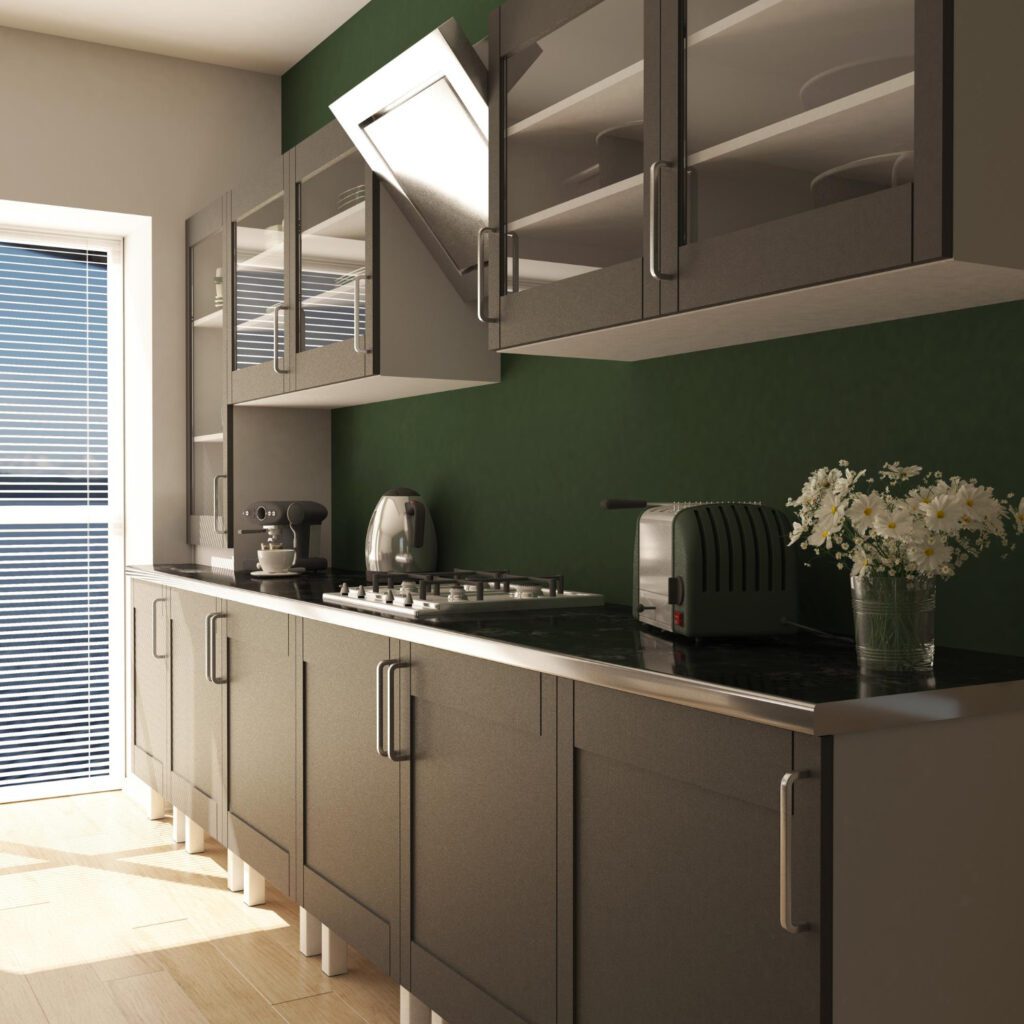
Modular kitchens come in many designs, each with its unique features and aesthetic appeal. Here are some popular modular kitchen designs to consider:
- U-Shaped Kitchens The U-shaped kitchen design features cabinets on three sides of the room, creating a spacious and efficient cooking area. This layout offers ample storage and counter space, making it ideal for larger kitchens.
- L-Shaped Kitchens The L-shaped kitchen design features cabinets on two adjacent walls, creating an open and versatile cooking space. This layout is perfect for smaller kitchens and can be enhanced with an island or breakfast bar.
- Galley Kitchens Galley kitchens, also known as corridor kitchens, feature cabinets and countertops on opposite walls, creating a streamlined and efficient workspace. This design is ideal for narrow or small spaces.
- Island Kitchens The island kitchen design includes a central island that can be used for additional counter space, storage, or seating. This layout is great for open-plan kitchens and adds a stylish focal point to the room.
- Peninsula Kitchens The peninsula kitchen design features an extended counter or cabinet unit that creates a partial barrier between the kitchen and the living area. This layout offers additional counter space and can be used for dining or entertaining.
Tips for Designing Your Modular Kitchen
Designing a modular kitchen can be an exciting process, but it requires careful planning to ensure you get the best results. Here are some tips to help you design your ideal kitchen:
- Assess Your Needs Before you start designing your kitchen, take stock of your cooking habits and storage needs. Consider how you use your kitchen on a daily basis and what features are most important to you. This will help you make informed decisions about the layout and components of your modular kitchen.
- Choose a Functional Layout Select a layout that suits your space and lifestyle. Think about the kitchen work triangle (the relationship between the sink, stove, and refrigerator) and ensure that your layout supports efficient cooking and meal preparation.
- Consider Your Budget Modular kitchens come in a range of prices, so it’s important to establish a budget before you start designing. Determine how much you’re willing to spend on materials, appliances, and labor, and look for options that fit within your budget.
- Select Durable Materials Choose high-quality materials that will stand up to daily use. Look for materials that are easy to clean and maintain, and consider the long-term durability of the components you choose.
- Incorporate Stylish Elements Don’t forget about the aesthetics of your kitchen. Choose finishes, colors, and designs that complement the rest of your home and reflect your personal style. Consider adding decorative elements like a stylish backsplash or unique cabinet handles.
- Plan for Lighting and Ventilation Good lighting and ventilation are essential for a functional kitchen. Plan for a mix of task lighting, ambient lighting, and ventilation options to create a comfortable and efficient cooking environment.
The Future of Modular Kitchens
As we look to the future, modular kitchens continue to evolve and adapt to new trends and technologies. Here are a few developments to watch for:
- Smart Kitchens The rise of smart home technology is making its way into modular kitchens. From smart appliances to integrated home automation systems, the future of modular kitchens will likely include more tech-savvy features that enhance convenience and efficiency.
- Sustainable Solutions Sustainability is becoming increasingly important in kitchen design. Modular kitchens are expected to incorporate eco-friendly materials, energy-efficient appliances, and water-saving fixtures to reduce environmental impact.
- Innovative Designs
Modular kitchen designs will continue to push the boundaries of creativity and functionality. Expect to see new and innovative designs that offer even more customization options and solutions for modern living.
Conclusion
A modular kitchen offers a modern, efficient, and customizable solution for your kitchen renovation or design project. With a wide range of styles, materials, and features to choose from, modular kitchens provide the perfect blend of functionality and aesthetics. By understanding the key elements of modular kitchens, exploring popular designs, and following practical design tips, you can create a kitchen that not only meets your needs but also reflects your personal style.
Whether you’re planning a major kitchen overhaul or simply looking to refresh your space, modular kitchens offer a versatile and cost-effective option that’s sure to enhance your home. So why wait? Dive into the world of modular kitchens and start designing the kitchen of your dreams today!
Have you recently renovated your kitchen? Share your modular kitchen experiences and tips in the comments below!
About the Author
Aby Mathews is a home design enthusiast with a passion for creating beautiful and functional Modular kitchens. With 25+ years of experience in the field.
No responses yet